 Eesti
Eesti Русский
 Suomi
Suomi Latviešu
 Svenska


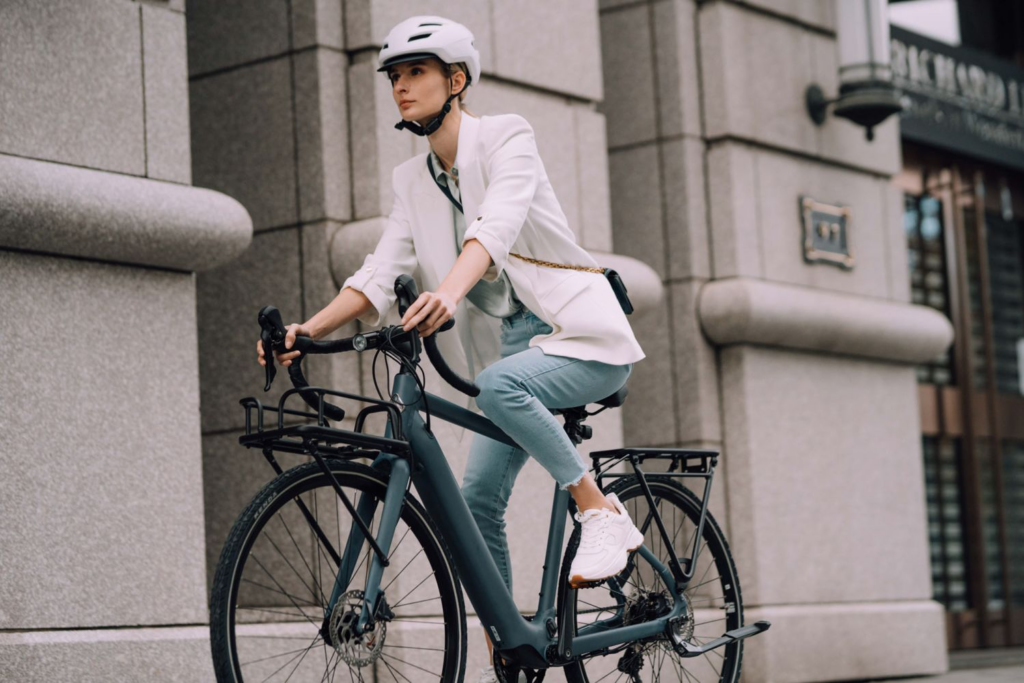
Electric bicycles are becoming increasingly popular and are making cycling more accessible to people who have never been interested in riding a bike before. Many people associate cycling with sport rather than with a relaxed daily commute between home and work, where a bicycle serves primarily as a means of transportation. An electric bicycle removes much of the athletic aspect of cycling and encourages those to give it a try whose health or overall fitness level does not allow them to take on heavy physical exertion at once. The distance that can be covered on a single charge is also quite substantial. Electric bicycles are attracting more and more people outdoors into the fresh air, even if they are not particularly active, which benefits not only physical health but also mental well-being.
There are almost as many types of electric bicycles as there are conventional bicycles – hybrid bikes, mountain bikes, city bikes, folding bikes, cargo bikes, and many others. There is no single perfect bicycle that suits everyone and every purpose, but everyone can certainly find the ideal two-wheeled companion for their needs.
How to Choose the Right Electric Bicycle?
The process is much the same as choosing a conventional bicycle. First, consider what type of riding you need the bike for. Is it intended for touring, daily commuting, carrying cargo, or something else? In addition to the usual considerations, the following features are particularly important when choosing an electric bicycle:
- Range on a single charge
- Charging time
- Maximum speed
- Whether the battery is removable
ELECTRIC BICYCLE COMPONENTS
There are two types of motors: a rear hub motor and a mid-drive motor. Due to its better riding feel and weight distribution, the mid-drive motor is generally considered the preferred option.
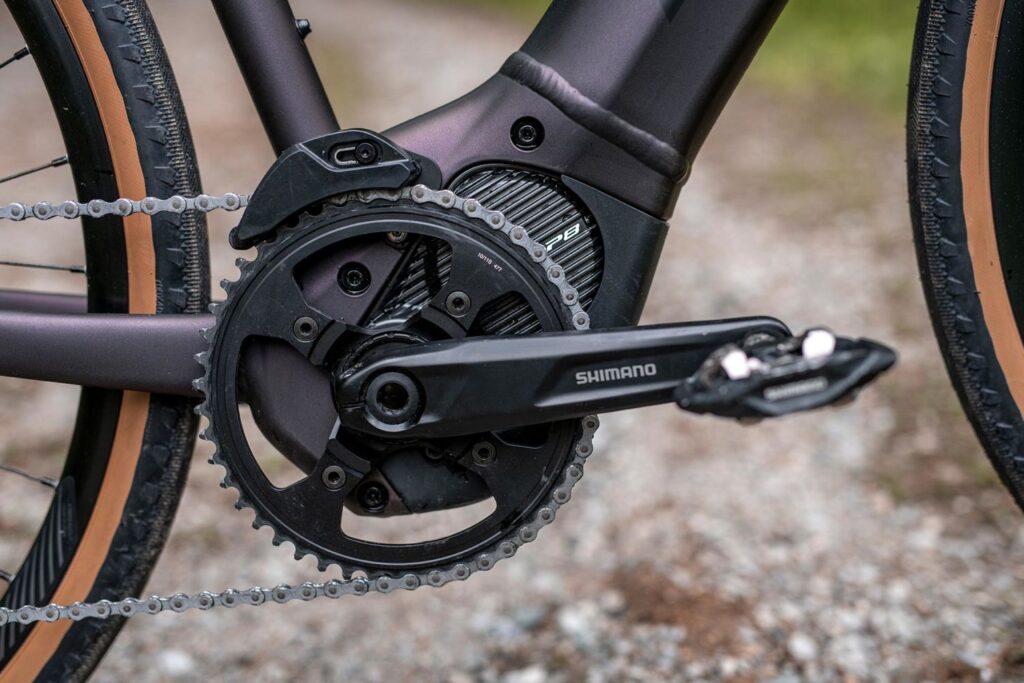
Motor power and torque are measured in Newton metres (Nm), and the intended use of the bicycle largely depends on the amount of torque available. A comparison with cars can be useful here. For example, a city bike usually does not require a very powerful motor, whereas a mountain bike may struggle with an underpowered motor. Based on power output, motors can be classified as follows:
40 Nm – Suitable for city bikes and riders of average or lighter weight.
60 Nm – Moderate torque, suitable for long-distance riding and heavier riders.
80 Nm – Powerful, ideal for mountain bikes and hilly terrain.
100 Nm – Extremely powerful, suitable for electric fat bikes and larger cargo bikes.
Batteries – Most electric bicycles are equipped with an external battery that can be easily removed for indoor charging. On many models, the battery is integrated into the frame, making it difficult to tell that the bicycle is electric. Most e-bike electronics are weather-resistant rather than fully waterproof. This means that heavy rain and riding through deep water should be avoided.
Battery Capacity – A higher ampere-hour (Ah) rating means a larger battery capacity.
Battery Voltage – Higher voltage (V) determines the battery’s performance. Lower-voltage batteries are generally better optimized for lighter riders and longer distances because the current draw is lower.
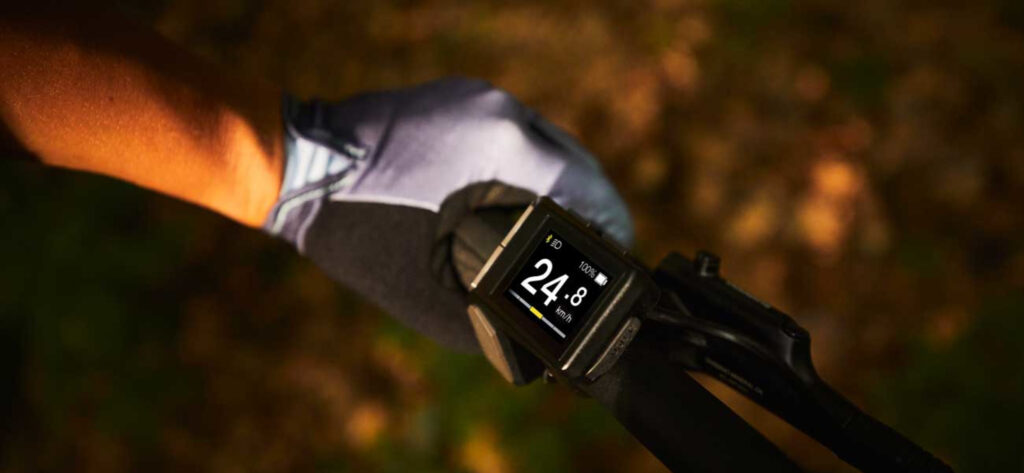
Display – Most electric bicycles feature a clear and easy-to-use display with nearby control buttons for navigating the menu. The display allows you to adjust the assistance level, monitor speed, track distance travelled, check the battery level, and more. Some models also allow you to charge your phone via USB or connect to other applications via Bluetooth.
Suspension – Electric bicycles are typically equipped with a front suspension fork. Mountain bike models may also feature rear suspension, as they are specifically designed for riding on rough and uneven terrain. If you want an even smoother ride, wider tyres, a cushioned saddle, and a suspension seatpost can further enhance comfort.
Gears – Most electric bicycles are equipped with gears, typically ranging from 7 to 12 speeds. External derailleur systems require regular cleaning and lubrication, although maintenance is relatively simple. It is not recommended to shift across too many gears at once, for example from the lowest gear directly to the highest. Likewise, changing gears under heavy load should be avoided whenever possible.
Internal hub gear systems require much less maintenance, as they are protected from weather conditions and dirt. Multiple gears can be shifted at once, even when the bicycle is stationary. This makes them particularly convenient for city riding, where frequent stops and starts are common. Among bicycles with internal hub gears, there are also belt-drive models available. These bikes are generally heavier and more expensive, and if a major component fails, repairs usually require professional service, although such failures are quite rare.
Brakes – Hydraulic disc brakes are commonly found on mid-range and higher-end electric bicycles, providing superior braking performance. Mechanical disc brakes are typically used on entry-level models and are generally easier and less expensive to maintain and replace.
TIPS FOR BEGINNER RIDERS
Before choosing and purchasing an electric bicycle, it is worth keeping a few important tips in mind for your first ride. Although an e-bike looks very similar to a conventional bicycle, there are some significant differences in the way it behaves and handles.
1. Start slowly and take it easy.
It can be tempting to accelerate at full power right away, but we recommend starting gently with a low assistance level. Make sure you have plenty of space around you in case the bike accelerates faster than expected. You may not react as quickly as you would on a conventional bicycle, so it is important to get a feel for how the bike responds before riding at higher speeds.
2. Brake earlier.
Greater power, higher speeds, and a heavier frame mean that stopping distances are longer. An electric bicycle does not come to a stop as quickly or as easily as a conventional bike, so anticipate your braking and allow yourself more time to slow down.
3. Brake gently and smoothly.
Electric bicycles are typically equipped with disc brakes, which provide stronger and more consistent braking performance in various weather conditions. When riding a new bike, apply the brakes gently and progressively until you become familiar with their responsiveness. This helps prevent sudden braking, which can often result in a fall.
Because the front brake is more powerful than the rear brake, there is a risk that the bicycle may stop abruptly while the rider continues moving forward, potentially resulting in going over the handlebars. For maximum safety, use both brakes together whenever possible, or use the front brake only at lower speeds until you are comfortable with the bike’s handling.
4. Stay alert and ride carefully.
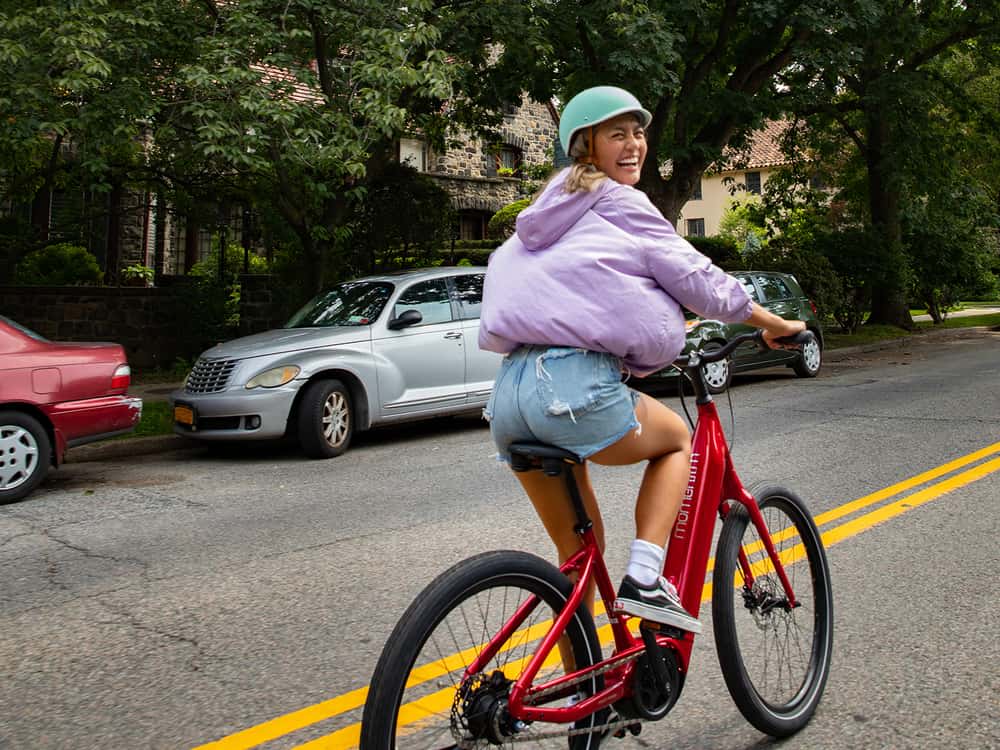
Electric bicycles allow you to reach higher speeds, which means you need to be more attentive in traffic. Higher speeds result in longer stopping distances, and injuries sustained in a fall can be more severe than those from a conventional bicycle.
5. Always follow traffic rules and good riding practices.
Be aware of your surroundings and adjust your speed accordingly. Choose the appropriate speed for the environment you are riding in and enjoy the ride.
If your ideal frame size falls between two sizes, riders with proportionally shorter legs should generally choose the smaller frame, while those with proportionally longer legs should opt for the larger frame.
The range of an electric bicycle depends on many factors, including the battery, motor, and assistance level—that is, how much support the motor provides while pedalling. Natural conditions such as wind, temperature, and terrain also play a significant role. Taking all these factors into account, you can maximise efficiency and extend your range by following a few simple tips:
Find the right pedalling rhythm – The slower you pedal, the more work the motor has to do. The key is to find a balance where neither you nor the motor is working harder than necessary.
Reduce the load – One of the advantages of an electric bicycle is its ability to carry heavier loads. However, the heavier the load, the harder the motor has to work and the faster the battery will be depleted.
Use lower assistance levels when possible – The more you rely on the motor, the faster the battery drains. To distribute the workload more efficiently, use higher assistance levels on climbs and lower assistance levels on descents and flat terrain.
ELECTRIC BICYCLE MAINTENANCE
Have the motor and battery inspected by a professional service centre once a year. It is often best to schedule maintenance in autumn, as service centres tend to be much busier in spring when many riders take their bicycles out after winter storage.
Before cleaning the bicycle, always remove the battery. Never use a pressure washer, as water can damage sensitive electronic components. After washing the bike, make sure that both the motor and battery are thoroughly dried.
It is also important to read the user manual supplied with the bicycle, as it contains specific recommendations for the operation and maintenance of your particular model.
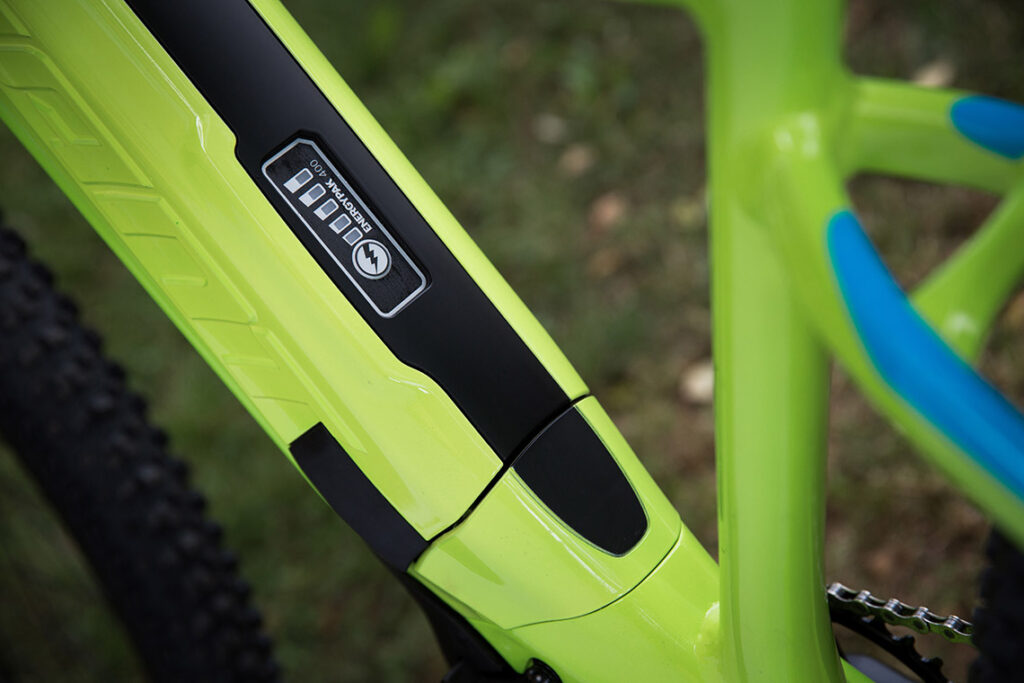
For bicycles with a removable battery, it is recommended to take the battery with you if the bike will be parked outside for an extended period. This allows you to charge it indoors, for example at work. In winter, this becomes especially important, as battery capacity decreases in sub-zero temperatures. During cold weather, store the battery indoors and only attach it to the bicycle when you are ready to ride again.
Whenever possible, charge the battery at room temperature and never in freezing conditions. This will help prevent premature battery degradation and extend its service life. It is also advisable to avoid using extension cords while charging. During rides in cold weather, a battery thermal cover can help maintain optimal operating temperatures.
If the bicycle will not be used during the winter, remove the display unit and battery whenever possible and store them in a dry place at room temperature. The battery should ideally be stored with a charge level between 30% and 60%.
To protect your bicycle from the elements, use a bike cover whenever it is parked outdoors.
ACCESSORIES FOR ELECTRIC BICYCLES
Choose the Right Helmet for Your E-Bike
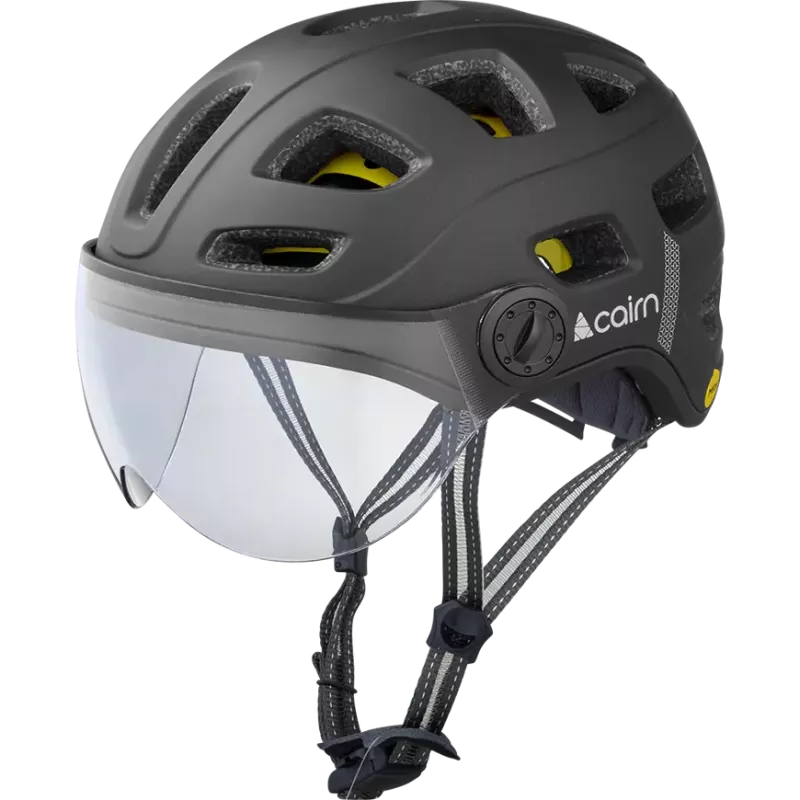
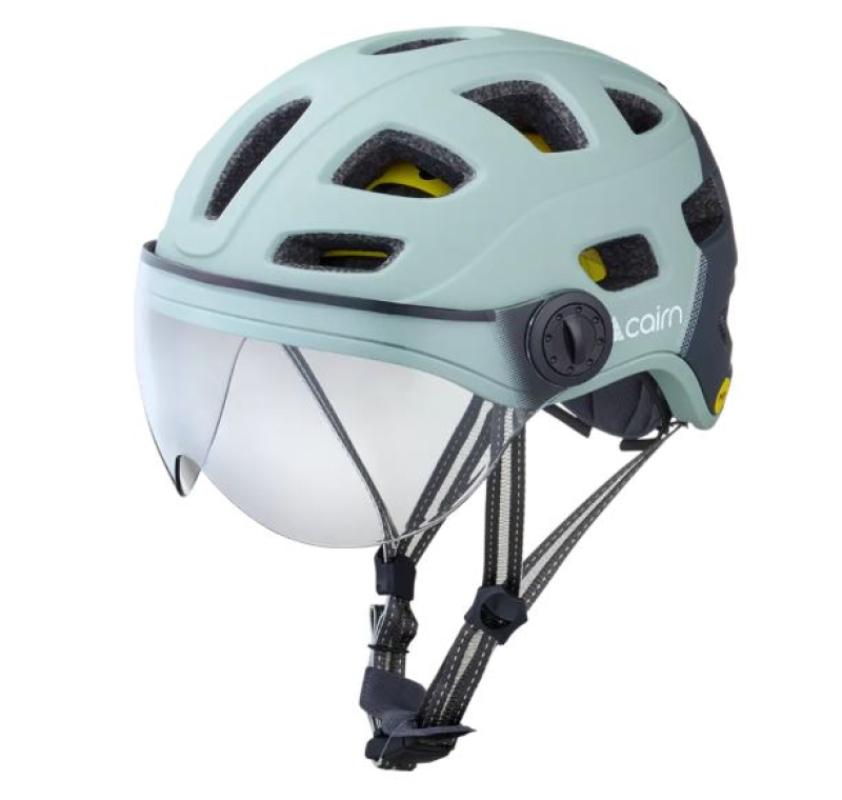
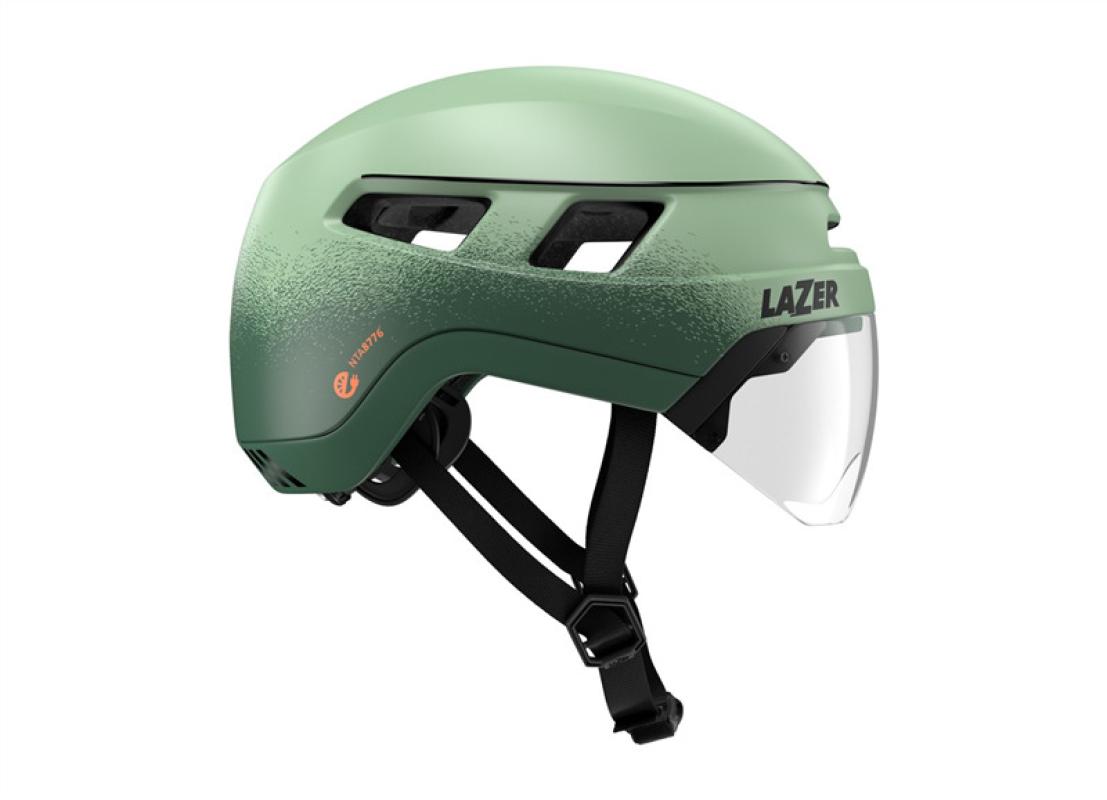
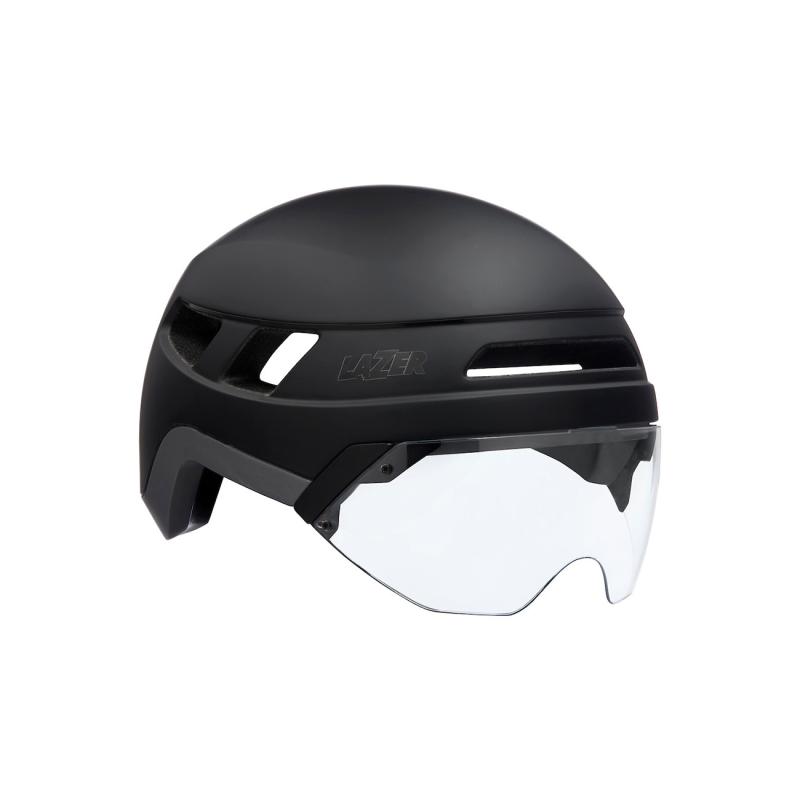
Because electric bicycles can reach significantly higher speeds than conventional bicycles, standard cycling helmets may not always provide the level of protection required. They are not necessarily designed to withstand impacts at the higher speeds typically associated with e-bike riding. Always make sure that the helmet you choose is certified and suitable for use with electric bicycles.
Velomarket offers a range of helmets specifically designed for e-bike riders, including the following models:
Bicycle Lights – Electric bicycles are typically equipped with integrated lights powered directly by the bike’s battery. However, additional lights can be installed if your goal is not only to improve visibility in traffic but also to illuminate the road more effectively.
For riders looking for a more powerful beam and enhanced visibility, Velomarket offers a selection of high-performance bicycle lights from Giant.
Buy a proper and secure bike lock! A high-quality lock with the highest security rating is essential. It is even recommended to purchase a second lock as well – one stronger and one lighter. In Estonia, there are also bicycle parking facilities where you can securely park your bike using a mobile application, such as Bikeep. If you need to leave your bike outside overnight, it is recommended to choose a well-lit location where other bicycles are also parked. Velomarket offers secure bicycle locks from the Dutch manufacturer AXA, which focuses specifically on improving bicycle equipment and safety.
SELECTION OF ELECTRIC BICYCLES AT VELOMARKET
Electric bicycles are available in different types, price ranges, and quality levels. As a general guideline, prices can be divided into the following categories:
€1,000 – €1,500 – Hub motor, 400–600 Wh battery, front suspension, entry-level components.
€1,500 – €2,000 – Hub motor, 400–600 Wh battery, front suspension, entry-level to mid-range components.
€2,000 – €2,500 – Mid-drive motor, 500 Wh battery, e-bikes equipped with entry-level to mid-range components.
€2,500 – €3,000 – E-bikes with a mid-drive motor.
€3,000 – €4,000 – Mid-range and high-end conventional bicycles, mid-range sports bikes.
€4,000 – €5,000 – Mid-range sports bikes (road and mountain bikes), high-end city and leisure bikes.
€5,000+ – Mid-range and high-end sports bikes, premium city and leisure bikes.
When choosing an electric bicycle, the first thing to consider is what you need the bike for and what its primary purpose will be. Only then should you look for the right bicycle within your preferred price range.
CITY BIKES
City bikes are comfortable and stylish bicycles that make everyday riding enjoyable. Velomarket offers a wide range of electric city bikes from Tenways, Giant, Liv, ADO, and Romet.
CARGO BIKES
Electric bicycles open up a world of new possibilities, and one of the most practical solutions is the electric cargo bike. Typically, an electric cargo bike features an extended frame, usually in the form of a longer rear rack. This can be fitted with a cargo box for transporting goods or a special child seat for carrying one or two children. In addition, electric cargo bikes often come equipped with a sturdy front rack, which can be used to carry cargo or mount a storage box.
FOLDING BIKES
If your daily commute often involves using public transport, an electric folding bicycle is the right choice for you. This type of bike can be folded quickly and carried with ease, taking up minimal space on already crowded buses, trains, or trams. Once you reach your destination, you can conveniently fold the bike and take it indoors, where it can be stored more securely.
MOUNTAIN BIKES
For many everyday riders, a mountain bike may not be the most suitable choice, as these bicycles are designed primarily for off-road and muddy terrain rather than city streets, even if the roads are uneven and full of curbs. However, not everyone lives in a city. Estonia has a diverse landscape and a wide variety of terrain, making a mountain bike the ideal choice for many riders.
Electric mountain bikes tend to be somewhat more expensive, but they are also generally more durable. A wide range of accessories can be added to these bikes as well. The Fiido M21 folding electric mountain bike has been tested on a cycling trip around Lake Võrtsjärv, and you can read more about the experience in our blog post.
It is great to see that electric bicycles are becoming increasingly popular and encouraging more people to get outdoors, enjoy the fresh air, run their daily errands, or simply make the most of a beautiful day. The selection of electric bicycles continues to grow, and everyone is sure to find a model that suits their needs. If you cannot find the perfect one right now, there is no need to worry—electric bike technology is still evolving rapidly, and new models are constantly being introduced.
The Velomarket team wishes you safe and enjoyable riding and looks forward to seeing you for your annual service. We are always happy to help!